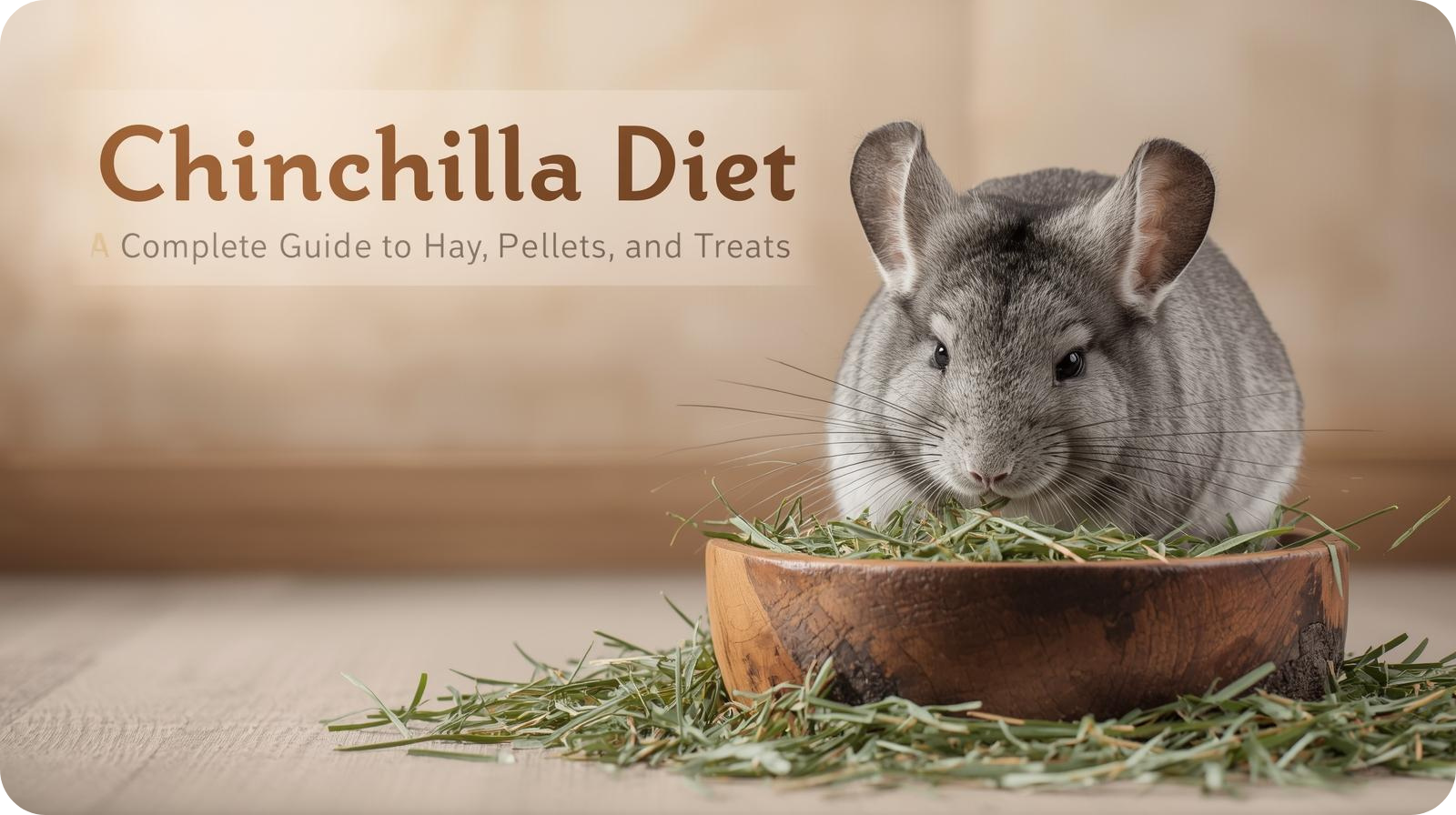
Proper nutrition is the cornerstone of chinchilla health and longevity. Understanding what chinchillas eat and how to structure their diet can mean the difference between a chinchilla that lives 10 years and one that thrives for 20. Whether you’re a new chinchilla owner or looking to optimize your pet’s nutrition, this comprehensive guide covers everything you need to know about chinchilla food and feeding.
In this article, we’ll explore the components of a complete chinchilla diet, explain why certain foods are essential while others are dangerous, and provide practical feeding guidelines to keep your chinchilla healthy throughout their life. By understanding chinchilla dietary requirements, you’ll be equipped to make informed decisions about what to feed your pet.
Understanding Chinchilla Nutritional Needs
Chinchillas are herbivorous rodents with specialized digestive systems adapted to process high-fiber, low-fat, low-sugar plant materials. In their native Andes Mountains habitat, wild chinchillas survive on grasses, herbs, and sparse vegetation—a diet that’s quite different from what many commercially available pet foods offer.
The Natural Chinchilla Diet
To understand proper chinchilla nutrition, it helps to know what these animals eat in the wild. Wild chinchillas in South America consume:
- Various grasses and dried vegetation
- Seeds from native plants
- Roots and tubers
- Tree bark
- Small amounts of cacti and succulents
- Occasional insects (though this is minimal)
This natural diet is extremely high in fiber (approximately 30-35% crude fiber), very low in fat (2-4%), and low in protein (12-16%). It contains minimal simple sugars and consists primarily of dried, fibrous plant materials. Understanding this helps explain why hay for chinchillas forms the foundation of a proper diet—it most closely mimics their evolutionary food source.
Why Diet Matters for Chinchilla Lifespan
The connection between diet and chinchilla health and longevity cannot be overstated. Poor nutrition is a leading cause of preventable health problems in chinchillas, including:
- Dental disease from insufficient fiber
- Gastrointestinal stasis and bloat
- Obesity and related complications
- Diabetes from excess sugar
- Liver disease from high-fat diets
- Shortened lifespan
Conversely, chinchillas fed a proper diet of primarily hay with appropriate supplements can live 15-20 years or more in excellent health.
The Three Components of a Proper Chinchilla Diet
A balanced chinchilla diet consists of three main components in specific proportions:
1. Hay (80-85% of diet) – Unlimited access
2. Pellets (10-15% of diet) – 1-2 tablespoons daily
3. Treats (0-5% of diet) – Very limited, occasional only
Let’s explore each component in detail.
Component 1: Hay (The Foundation)
High-quality hay should make up the vast majority of what chinchillas eat. It should be available 24/7, and your chinchilla should consume a pile of hay roughly equal to their body size each day.
Why Hay Is Essential
Hay serves multiple critical functions:
Digestive Health: The high fiber content promotes healthy gut motility and prevents gastrointestinal stasis, a potentially fatal condition where the digestive system slows or stops.
Dental Health: Chinchillas have continuously growing teeth (like all rodents). The constant chewing and grinding motion required to eat hay naturally wears down their teeth, preventing overgrowth and malocclusion.
Nutritional Balance: Hay provides essential nutrients including fiber, protein, calcium, and various vitamins while being appropriately low in fat and sugar.
Enrichment: The act of foraging through and selecting hay provides mental stimulation and natural behavior expression.
Best Types of Hay for Chinchillas
Timothy Hay (Highly Recommended) Timothy hay is the gold standard for adult chinchillas. It offers:
- Ideal fiber content (30-35%)
- Low protein (8-11%) appropriate for adults
- Low calcium to prevent urinary stones
- Good palatability
Most chinchillas readily accept and enjoy timothy hay, making it the most popular choice among owners. For detailed information about selecting quality timothy hay, see our comprehensive guide to chinchilla hay.
Orchard Grass (Excellent Alternative) Orchard grass is slightly softer and sweeter than timothy hay, making it a good alternative for picky eaters or as variety:
- Similar fiber and protein to timothy
- Softer texture
- Pleasant smell that many chinchillas prefer
Meadow Hay (Good for Variety) A mixture of various grasses that provides natural variety:
- Mix of different grass species
- Good nutritional profile
- Encourages foraging behavior
Botanical Hay (Limited Use) Hay mixed with dried herbs and flowers:
- Provides variety and enrichment
- Should be used as occasional variety, not main hay
- Check that added ingredients are chinchilla-safe
Hays to Avoid or Limit
Alfalfa Hay (Only for Young Chinchillas) Alfalfa is too rich for adult chinchillas:
- Very high in protein (15-20%)
- High in calcium
- Can cause obesity and urinary issues in adults
- Appropriate ONLY for chinchillas under 6 months old or pregnant/nursing females
Cereal Hays (Occasional Treat Only) Oat hay, wheat hay, and barley hay are too high in carbohydrates for regular feeding.
How to Feed Hay
- Provide unlimited access in a hay rack or feeder
- Offer fresh hay daily; remove uneaten hay after 24 hours
- Store hay in a cool, dry place away from moisture
- Discard moldy, dusty, or wet hay immediately
- Expect waste—chinchillas are selective eaters who will sort through hay
Signs of Quality Hay
Good hay should be:
- Green to green-gold in color (not brown or yellow)
- Sweet-smelling, not musty or moldy
- Dry and crispy, not damp
- Long-stemmed and intact, not excessively broken
- Free from dust, mold, or foreign objects
Component 2: Chinchilla Pellets
While hay forms the foundation, pellets provide concentrated nutrition and ensure your chinchilla receives all necessary vitamins and minerals. However, pellets should be viewed as a supplement to hay, not the primary food.
Choosing Quality Chinchilla Pellets
Look for pellets that meet these criteria:
Timothy-Based (Not Alfalfa-Based) For adult chinchillas, pellets should list timothy hay as the first ingredient. Alfalfa-based pellets are too rich and can contribute to obesity and other health issues.
Plain Pellets (Not Muesli-Style Mixes) Avoid colorful pellet mixes with:
- Dried fruit pieces
- Nuts or seeds
- Colored bits
- “Treat” pieces mixed in
These mixes allow selective feeding, where chinchillas eat only the unhealthy parts and leave the nutritious pellets. Plain, uniform pellets prevent this problem.
Appropriate Nutritional Profile Quality chinchilla pellets should contain:
- 16-20% protein
- 2-5% fat
- 15-35% fiber
- 10% or less moisture
Stabilized Vitamin C Look for pellets with added, stabilized vitamin C, as chinchillas can benefit from supplementation.
No Artificial Colors, Flavors, or Preservatives The simpler the ingredient list, the better.
For specific brand recommendations and detailed reviews of quality chinchilla pellets, see our guide to the best chinchilla foods.
How Much to Feed
Adult Chinchillas: 1-2 tablespoons (approximately 15-30 grams) of pellets daily
This amount provides necessary nutrition without overfeeding. Some owners free-feed pellets, but this can lead to obesity, especially if the chinchilla doesn’t consume enough hay. Measuring portions helps prevent overfeeding.
Young Chinchillas (under 6 months): Can have slightly more pellets to support growth
Senior Chinchillas (over 10 years): May need slightly adjusted amounts based on activity level and weight
Pellet Feeding Guidelines
- Feed at the same time each day to establish routine
- Use a ceramic or metal bowl that can’t be tipped or chewed
- Remove uneaten pellets after 24 hours
- Don’t refill until previous portion is eaten to prevent selective feeding
- Monitor body condition and adjust amounts if needed
Component 3: Treats and Supplementary Foods
Treats for chinchillas should be exactly that—treats, not regular food. Many chinchilla health problems stem from overfeeding treats or offering inappropriate foods.
The 5% Rule
Treats should comprise no more than 5% of total diet, which translates to:
- 1-2 small treats per day maximum
- 2-3 times per week is even better
- Some days with no treats at all
Safe Treat Options
Dried Herbs (Best Choice)
- Rose hips (1-2 per day)
- Dandelion leaves
- Rose petals
- Chamomile
- Hibiscus flowers
- Calendula petals
Small Amounts of Dried Vegetables
- Celery (small pieces, occasionally)
- Dried carrot (tiny amounts)
Occasional Seeds (Very Limited)
- Pumpkin seeds (1-2 per week maximum)
- Plain, unsalted sunflower seeds (1 per week)
Commercial Treats (Choose Carefully)
- Plain shredded wheat (small pieces)
- Timothy-based commercial treats without added sugar
Foods to Avoid
Never Feed:
- Chocolate (toxic)
- Dairy products (chinchillas are lactose intolerant)
- Meat or animal products
- Processed human foods
- Sticky foods (can cause choking or dental issues)
- Foods high in water content in large amounts
- Avocado (toxic)
- Raw beans (toxic)
- Rhubarb (toxic)
- Onion, garlic, leeks (toxic)
Limit or Avoid:
- Fresh fruits (too high in sugar and water; apples and similar fruits only occasionally and in tiny amounts)
- Nuts and almonds (too high in fat)
- Dried fruits (extremely high in concentrated sugars)
- Lettuce and high-water vegetables
Why Sugary Treats Are Dangerous
Chinchillas have very limited ability to process simple sugars. Their digestive systems are designed for fibrous, complex carbohydrates. Feeding sugary treats (including most fruits) can lead to:
- Disruption of healthy gut bacteria
- Bloat and gastrointestinal issues
- Diabetes over time
- Obesity
- Selective eating (rejecting healthy foods in favor of treats)
Many chinchillas develop a preference for sweet treats and will refuse to eat hay and pellets if given too many treats. This creates a dangerous cycle of poor nutrition.
Component 4: Water
Fresh, clean water is essential and should be available 24/7. While not food, water is a crucial part of chinchilla nutrition.
Water Requirements
- Chinchillas typically drink 20-40 ml per day
- Amount varies with diet, temperature, and individual factors
- Fresh water should be provided daily, even if the bottle isn’t empty
How to Provide Water
Water Bottle (Recommended)
- Prevents fur from getting wet
- Keeps water clean
- Easy to monitor consumption
- Glass bottles preferred over plastic (chinchillas chew plastic)
Water Bowl (Not Recommended)
- Can get contaminated with bedding and feces
- Chinchilla fur can get wet, leading to fungal infections
- Can be tipped over
Water Quality
- Use filtered or bottled water if your tap water is heavily chlorinated
- Never use distilled water (lacks essential minerals)
- Room temperature water is ideal
- Clean bottle thoroughly weekly to prevent bacterial growth
Special Dietary Considerations
Young Chinchillas (0-6 Months)
Baby chinchillas have higher nutritional needs for growth:
- Can have alfalfa-based pellets or hay for extra protein and calcium
- Slightly larger pellet portions (2-3 tablespoons)
- Should transition to timothy-based diet around 6 months
- No treats until at least 6 months old
Pregnant and Nursing Chinchillas
Females have increased nutritional demands during pregnancy and lactation:
- May need alfalfa hay for extra calcium and protein
- Slightly increased pellet portions
- Ensure constant access to fresh water
- Consult exotic veterinarian for specific supplementation
Senior Chinchillas (10+ Years)
Older chinchillas may need dietary adjustments:
- May need softer hay varieties if dental issues develop
- Monitor weight closely and adjust pellet portions
- May benefit from more frequent, smaller meals
- Watch for signs of decreased appetite or digestive issues
Overweight Chinchillas
If your chinchilla is overweight or obese, dietary changes are essential:
- Ensure unlimited hay access
- Reduce pellets to 1 tablespoon daily
- Eliminate all treats temporarily
- Increase exercise opportunities
- Never drastically reduce food intake (can cause liver disease)
- Work with veterinarian on safe weight loss plan
Chinchillas with Health Issues
Various diet-related health problems may require dietary modifications:
- Dental disease: May need softer hay or pellet mush
- Gastrointestinal issues: May need probiotics or dietary fiber supplements
- Diabetes: Strict elimination of all sugars and simple carbohydrates
- Urinary issues: May need hay lower in calcium
Always consult with an exotic veterinarian before making significant dietary changes for health issues.
Transitioning to a New Diet
If your chinchilla has been eating an improper diet, transitioning to appropriate nutrition should be done gradually to prevent digestive upset.
Transition Timeline
Week 1-2:
- 75% old diet, 25% new diet
- Introduce new hay variety alongside old
Week 3-4:
- 50% old diet, 50% new diet
- Gradually reduce old hay as new hay consumption increases
Week 5-6:
- 25% old diet, 75% new diet
- Most feeding should now be new diet
Week 7+:
- Fully transitioned to new diet
- Continue monitoring for digestive issues
Signs of Successful Transition
- Normal, consistent droppings (should be oval, firm, and consistent in size)
- Maintained weight and energy level
- Willing consumption of new foods
- No signs of digestive distress (bloating, diarrhea, decreased appetite)
If Problems Occur
- Slow the transition timeline
- Ensure hay is always available
- Watch for signs of GI stasis (decreased droppings, lethargy, hunched posture)
- Consult exotic veterinarian if issues persist beyond 48 hours
Creating a Feeding Routine
Consistency helps chinchillas maintain healthy digestion and prevents overeating or selective feeding.
Daily Feeding Schedule
Morning (or when you wake up):
- Check water bottle and refill if needed
- Remove any uneaten pellets from previous day
- Provide fresh hay in rack or feeder
- Quick visual health check
Evening (prime activity time):
- Provide daily pellet portion (1-2 tablespoons)
- Offer any treats at this time (if giving treats that day)
- Provide fresh hay if morning hay is depleted
- Check water again
Throughout the day:
- Chinchillas should have constant access to hay
- Water should always be available
Weekly Tasks
- Thoroughly clean food and water containers
- Check hay storage for freshness
- Weigh chinchilla to monitor for weight changes
- Assess overall food consumption and adjust if needed
Reading Your Chinchilla’s Nutritional Health
Signs of Good Nutrition
- Consistent, firm droppings (should be oval and uniform)
- Shiny, full coat
- Clear, bright eyes
- Appropriate body condition (can feel ribs but not see them)
- Good energy levels during active hours
- Healthy teeth (should be yellow-orange, not white)
- Consistent eating patterns
Warning Signs of Poor Nutrition
- Diarrhea or very small/hard droppings
- Bloating or hunched posture
- Weight loss or obesity
- Dull, thin coat
- Lethargy or decreased activity
- Dental problems (drooling, difficulty eating)
- Selective eating (only eating treats or pellets, ignoring hay)
If you notice any warning signs, evaluate the diet and consult with an exotic veterinarian promptly.
Common Chinchilla Diet Mistakes
Mistake #1: Not Providing Enough Hay
The Problem: Some owners rely primarily on pellets because they seem more convenient or worry their chinchilla isn’t eating hay.
The Solution: Hay must be unlimited and available 24/7. If your chinchilla isn’t eating hay, assess hay quality, variety, and presentation. Eliminate treats to encourage hay consumption.
Mistake #2: Too Many Treats
The Problem: Treats seem like a way to bond or make your chinchilla happy, but overfeeding them causes serious health issues.
The Solution: Follow the 5% rule strictly. Many healthy chinchillas never need treats beyond occasional herbs. If you give treats, make them truly occasional and very small.
Mistake #3: Feeding Inappropriate Foods
The Problem: Well-meaning owners often feed foods that are unsafe or unhealthy because they seem natural or they’ve seen others recommend them.
The Solution: Research every food before offering it. When in doubt, don’t feed it. Stick to confirmed safe foods and avoid anything high in sugar, fat, or water content.
Mistake #4: Free-Feeding Pellets
The Problem: Unlimited pellet access often leads to obesity and selective eating, where chinchillas fill up on pellets and ignore hay.
The Solution: Measure and limit pellets to 1-2 tablespoons daily. Your chinchilla should be hungry enough to eat hay throughout the day.
Mistake #5: Using Muesli-Style Food Mixes
The Problem: Colorful mixes with nuts, seeds, and dried fruits allow selective feeding of unhealthy components.
The Solution: Use plain, uniform pellets only. All pieces should look identical.
Mistake #6: Not Providing Fresh Water Daily
The Problem: Contaminated or stale water can harbor bacteria and discourage drinking, leading to dehydration.
The Solution: Change water daily and clean bottles weekly.
Mistake #7: Sudden Diet Changes
The Problem: Abrupt dietary changes cause digestive upset and can lead to serious GI issues.
The Solution: Always transition gradually over several weeks unless directed otherwise by a veterinarian.
Species-Specific Diet Considerations
It’s worth noting that chinchilla dietary needs are specific to chinchillas. While chinchillas share some similarities with other rodents, their nutritional requirements are unique.
For example, rabbits cannot eat chinchilla food as their primary diet because the nutritional profiles don’t match each species’ needs. Similarly, hamster or guinea pig foods are inappropriate for chinchillas. Each species has evolved for different food sources and has different nutritional requirements.
Always use species-specific foods designed for chinchillas, and consult with an exotic veterinarian familiar with chinchilla nutrition if you have questions.
Where to Buy Quality Chinchilla Food
Hay Sources
- Local feed stores (often the freshest and most economical)
- Online retailers specializing in small animal supplies
- Pet stores (check freshness and quality carefully)
- Direct from hay farms (bulk buying option)
Pellet Sources
- Exotic pet stores
- Online specialty retailers
- Veterinary offices (often carry quality brands)
For specific brand recommendations, nutritional analysis, and buying guides, see our comprehensive review of the best chinchilla foods available.
Cost Considerations
Feeding a chinchilla properly costs approximately $30-50 per month:
- Quality hay: $15-25/month
- Pellets: $10-15/month
- Occasional treats: $5-10/month
While this represents a consistent expense, proper nutrition prevents costly veterinary bills related to preventable diet-related illnesses. Investing in quality food is far less expensive than treating obesity, dental disease, or gastrointestinal problems.
The Connection Between Diet and Lifespan
The most compelling reason to feed your chinchilla properly is the dramatic impact on longevity. Chinchillas fed appropriate diets regularly live 15-20+ years, while those fed poor diets often don’t survive beyond 8-10 years.
The difference comes down to:
- Preventing obesity and related metabolic diseases
- Maintaining healthy digestion throughout life
- Proper dental wear preventing tooth problems
- Avoiding diabetes from excess sugar
- Supporting immune system function with proper nutrition
Proper nutrition truly is the foundation of a long, healthy chinchilla life.
When to Consult a Veterinarian
Seek veterinary advice if you notice:
- Sudden changes in eating habits
- Weight loss or rapid weight gain
- Changes in droppings (size, shape, consistency, or frequency)
- Signs of digestive distress (bloating, hunched posture)
- Difficulty eating or drooling
- Any symptoms of diet-related problems
An exotic veterinarian experienced with chinchillas can provide personalized dietary recommendations based on your chinchilla’s health status, age, and individual needs.
Conclusion: Building a Healthy Chinchilla Diet
Proper chinchilla nutrition doesn’t have to be complicated, but it does require understanding and commitment to providing the right foods in appropriate amounts. The three-component formula is simple:
80-85%: Unlimited, high-quality grass hay
10-15%: Limited, quality chinchilla pellets (1-2 tablespoons daily)
0-5%: Minimal, appropriate treats
By following these guidelines and avoiding common mistakes, you’re giving your chinchilla the foundation for a long, healthy life. Diet impacts every aspect of chinchilla health—from their teeth and digestion to their coat quality and longevity.
Remember that every chinchilla is an individual. Monitor your pet’s body condition, energy levels, and health markers, and adjust feeding as needed. When in doubt, consult with an exotic veterinarian who can provide personalized guidance for your specific situation.
For more detailed information on specific aspects of chinchilla care and nutrition, explore our other guides on basic chinchilla information, common health problems, and general chinchilla care. With the right knowledge and commitment, you can provide nutrition that helps your chinchilla thrive for 15-20 years or more.
Frequently Asked Questions About Chinchilla Diet
What is the best food for chinchillas? The best food for chinchillas is unlimited high-quality timothy hay (80-85% of diet), supplemented with 1-2 tablespoons of plain timothy-based pellets daily (10-15%), and minimal healthy treats like dried herbs (0-5%). Hay should always be the foundation of their diet.
How much should I feed my chinchilla? Feed unlimited timothy hay (always available), 1-2 tablespoons of pellets daily, and 1-2 small treats maximum per day (or better yet, 2-3 times per week). Fresh water should be available 24/7. A chinchilla should eat roughly their body size in hay each day.
Can chinchillas eat fruits and vegetables? Chinchillas should not regularly eat fresh fruits or most vegetables due to high water and sugar content. Occasional tiny pieces of apple or dried vegetables like celery are okay as rare treats, but these should be very limited. Focus on hay and pellets instead.
What treats are safe for chinchillas? The safest treats are dried herbs like rose hips, dandelion leaves, and chamomile. Plain shredded wheat, occasional pumpkin seeds (1-2 per week), and small amounts of dried vegetables are acceptable. Avoid sugary treats, fruits, nuts, and anything with added flavors or colors.
Can chinchillas eat alfalfa hay? Alfalfa hay should only be fed to young chinchillas (under 6 months) or pregnant/nursing females due to its high protein and calcium content. Adult chinchillas should eat timothy hay or other grass hays, as alfalfa can cause obesity and urinary problems in adults.
What foods are toxic to chinchillas? Never feed chinchillas: chocolate, avocado, raw beans, rhubarb, onions, garlic, dairy products, meat, processed human foods, or sticky foods. These can be toxic or cause serious digestive issues. When in doubt, don’t feed it.
Why won’t my chinchilla eat hay? If your chinchilla refuses hay, check the quality (should be fresh, green, and sweet-smelling), try different hay varieties, eliminate treats to increase appetite, ensure hay is easily accessible, and rule out dental problems with a vet visit. Hay refusal is serious and requires attention.
Do chinchillas need vitamin supplements? Most chinchillas don’t need additional vitamin supplements if fed quality hay and pellets with stabilized vitamin C. Over-supplementation can be harmful. Only add supplements under veterinary guidance if a specific deficiency is diagnosed.
Can I feed my chinchilla rabbit food? No, rabbit food is not appropriate for chinchillas. While both are herbivores, they have different nutritional requirements. Chinchilla pellets are specifically formulated for chinchilla needs and should always be used instead of rabbit or other rodent foods.
How do I know if my chinchilla is eating enough? Signs of proper nutrition include: consistent firm droppings, stable weight, shiny coat, good energy during active hours, and visible hay consumption. Monitor food intake daily and weigh your chinchilla weekly to track any changes.
Quick Reference Checklist
Daily:
- [ ] Unlimited fresh hay available
- [ ] Fresh, clean water
- [ ] 1-2 tablespoons pellets
- [ ] Remove uneaten food from previous day
Weekly:
- [ ] Thoroughly clean food and water containers
- [ ] Check hay storage for freshness
- [ ] Monitor weight and body condition
Monthly:
- [ ] Review food inventory and reorder as needed
- [ ] Assess eating patterns and adjust if needed
- [ ] Consider whether diet changes are needed
Never:
- [ ] Feed chocolate, dairy, or toxic foods
- [ ] Overfeed treats (remember the 5% rule)
- [ ] Use muesli-style mixes
- [ ] Make sudden diet changes
- [ ] Feed alfalfa to adult chinchillas regularly


Leave a Reply